
Apixia Barrier Sheaths #1A
SKU : AX-B-10811
0 Sold
Short Description
Essential single-use protective sheaths specifically designed for Size 1A Apixia Phosphor Storage Plates. They guarantee optimal infection control and plate longevity while offering the perfect dimensions for pediatric imaging and narrow anterior diagnostics
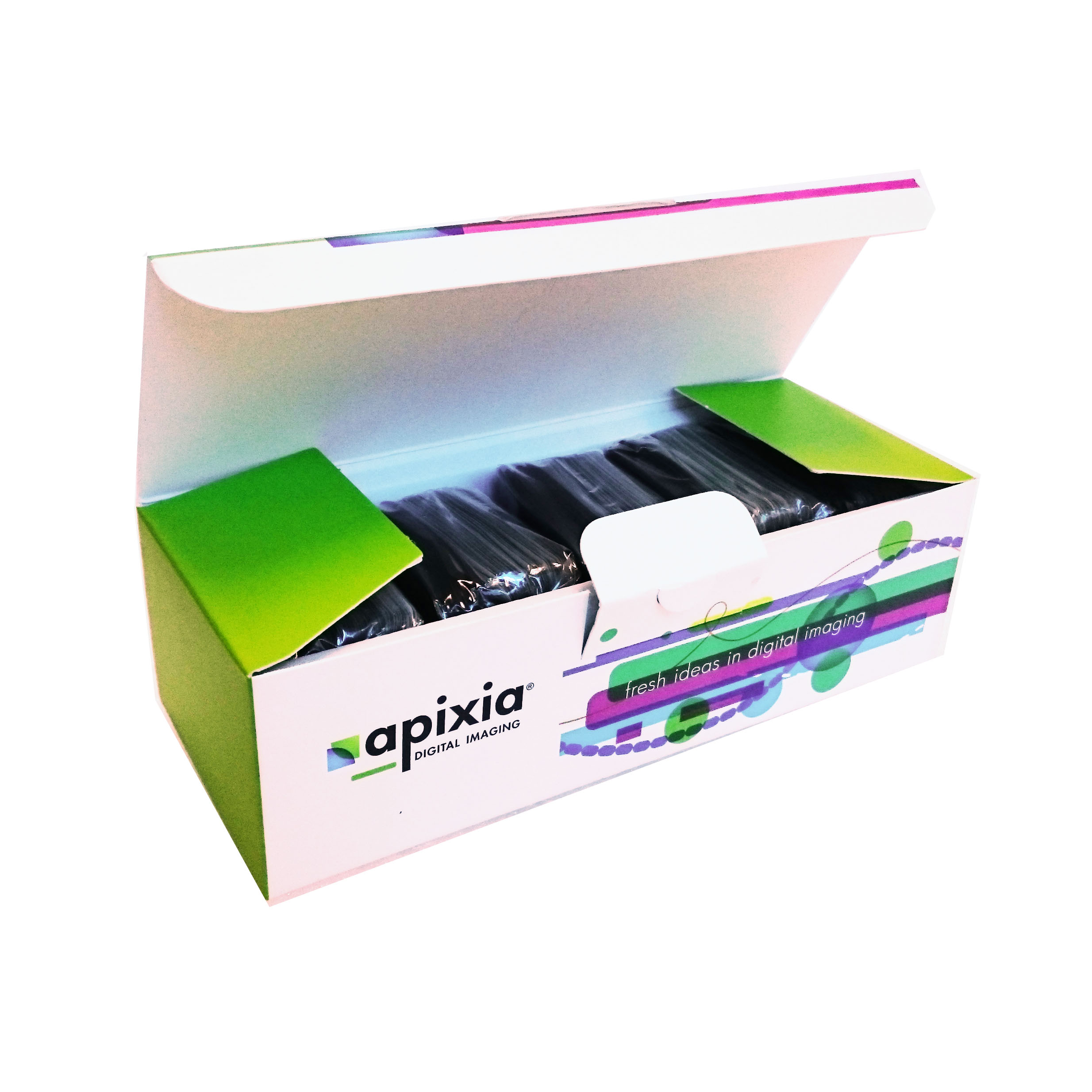
The Apixia PSP Barrier Envelopes are a foundational element for maintaining a safe, hygienic, and efficient digital workflow. Specifically tailored for Size 1A plates, these envelopes protect the clinic's imaging assets while addressing the unique positioning challenges associated with children and narrow adult arches.
Optimized for Anterior & Pediatric Use (Size 1A): Custom-fitted to encapsulate Size 1A imaging plates perfectly. The narrow dimensions are ideal for capturing anterior periapical views in adults and routine bitewings or periapicals in pediatric patients, ensuring accurate placement in tighter oral cavities without plate shifting.
Uncompromised Infection Control: Designed exclusively for single-patient use, these impermeable sheaths create a secure barrier against saliva and blood. This effectively breaks the chain of cross-contamination, ensuring full compliance with the highest clinical hygiene and safety standards.
Ultimate Asset Protection: Acts as a durable shield that protects the delicate phosphor plates from bite marks, scratches, and moisture degradation during handling and intraoral placement. This crucial protection significantly extends the lifespan of the imaging plates, maximizing the clinic's return on investment.
EZ-Tear System for Touchless Transfer: Features a strategically placed, easy-tear notch designed for a hygienic workflow. Dental assistants can quickly tear the envelope open and drop the exposed plate directly into the Apixia scanner slot without ever touching it, preventing cross-contamination of the equipment.
Enhanced Patient Comfort: Manufactured with soft, pliable materials and smooth edges. This minimizes soft tissue irritation and reduces the gag reflex, which is especially critical when dealing with anxious pediatric patients or sensitive anterior regions


 MakeWebEasy